Our Research Labs
Learn more about the lab work within our division.
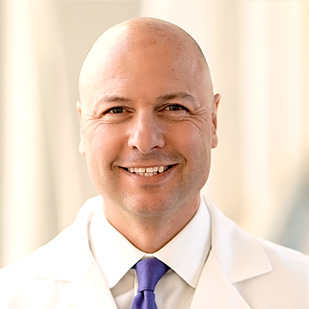
The Green Laboratory studies the mechanisms of cholestatic liver injury and how liver cell transport is regulated. Current research focuses on the role of the unfolded protein response (UPR) in liver disease and the regulation of bile salt transport. Using genetically modified mice and various models of bile salt liver injury, the lab aims to pinpoint pathways involved in liver injury and repair, as well as identify potential therapeutic targets for cholestatic liver disorders.
The lab also explores liver injury mechanisms in fatty liver diseases, including non-alcoholic steatohepatitis. Research centers on the UPR's role in the development of fatty liver disease using modified mice and other models of liver injury. High-throughput techniques and murine Quantitative Trait Locus analysis are used to identify new UPR regulators in these diseases.
Publications
View Richard Green, MD's publications in PubMed.
For more information, please see Green's faculty profile.
Contact
Contact Green at 312-503-1812 or the Green Lab at 312-503-0089.
The Cong Lab investigates host-microbiome interactions at the intestinal surface and the pathogenesis of inflammatory bowel disease (IBD).
Yingzi Cong’s laboratory work focuses on immune regulation of host-microbiome interaction and regulation of IBD. The overall goal is to develop novel and feasible strategies to treat IBD. The intestine surface reaches 300m2 in humans and is exposed daily to large amounts of antigens that, in the great majority, are innocuous, originating from the diet and the resident microbiota, although the intestinal mucosa is also a major entry site for pathogens. Conversely, the vast immune system associated with the intestine must avoid penetration and spreading of pathogens while avoiding excessive or unnecessary immune responses that could jeopardize the integrity of the mucosal epithelial barrier and lead to IBD. Using a combination of intersectional genetics, single cell repertoire analyses, spatial analysis, imaging and transcriptomic tools, various animal models, and germ-free mice, the Cong lab investigates how microbiota via production of metabolites regulates mucosal immune responses, mainly IEC, T cells, B cells, and innate cells, to maintain intestinal homeostasis and how mucosal immune system responds to gut microbiota to regulate the pathogenesis of IBD.
Publications
View lab publications via MyBibliography.
For more information, visit the faculty profile page of Yingzi Cong, PhD, Professor
Contact
Contact Us: conglab@northwestern.edu
Contact Yingzi Cong, PhD: yingzi.cong@northwestern.edu
Lab Staff
Suxia Yao, MD
Research Associate Professor
suxia.yao@northwestern.edu
Wenjing Yang, MD/PhD
Research Assistant Professor
wenjing.yang@northwestern.edu
Tianming Yu, MD/PhD
Research Assistant Professor
tianming.yu@northwestern.edu
Griffin Esophageal Program
The Kenneth C. Griffin Esophageal Program, led by John E. Pandolfino, MD, and Dustin Carlson, MD, focuses on benign and malignant disorders of the esophagus, including GERD, hiatal hernia, achalasia, Barrett's esophagus, cysts, diverticulums (including Zenker's diverticulum), benign tumors, and esophageal cancers. The center works closely with colleagues in allergy, thoracic surgery, surgical oncology, dietary, pathology and radiation and clinical oncology.
Dr. Nirmala Gonsalves is the Director of the Ikuo Hirano Eosinophilic Esophagitis Program which was created in 2024 by a generous gift from the Kenneth C Griffin Esophageal Foundation to support eosinophilic gastrointestinal disorders research at Northwestern and honor Dr. Ikuo Hirano. Under the guidance of Drs Hirano and Gonsalves the Northwestern Eosinophilic Gastrointestinal Program has grown over the last two decades and is world renowned for exceptional clinical care and cutting edge research in the field or eosinophilic gastrointestinal disorders. Dr. Gonsalves is leading the program in areas of clinical trial investigations, NIH sponsored research through the Consortium of Eosinophilic Gastrointestinal Disorders (CEGIR) and through various investigator initiated studies. The center works closely with colleagues in allergy & immunology, pathology, nutrition medicine, behavioral medicine and with pediatrics.
Research
Our current and prior research focuses on diagnosis, treatment and management of these disorders. Some examples of investigator initiated projects in these areas include:
- Oropharyngeal studies are aimed at describing the normal mechanics of swallowing and the modifiability that can be imposed therapeutically. These studies use computerized analysis of manometric and videofluorographic swallowing studies.
- Pathophysiologic studies of the oropharynx focus on mechanisms that result in dysphagia and the efficacy of volitional compensatory strategies in modifying these defects.
- Analysis of esophagogastric junction pathophysiology, through the use of high-resolution solid-state manometry, with respect to reflux disease and esophageal motor disorders.
- Investigations of biopsy variability leading to the guideline recommendations of the number of biopsies to take in these disorders to maximize earlier diagnosis
- Development of endoscopic reference scores for EoE which have been incorporated into both clinical care and clinical trials and guidelines
- Identification that dietary triggers affect adults with EoE and dietary therapy can be effective management of the disease
- Identification that dietary triggers affect adults with non-EoE EGID and this therapy can lead to remission
- Collaboration with investigators to help develop minimally invasive tools to identify esophageal inflammation
- Understanding the biomechanics of esophageal dysfunction through the use of endoflip in EoE
Previous research interests have included central nervous system neurophysiology, autonomic nervous system neurophysiology as it relates to sodium homeostasis, and screening for esophageal cancer.
Education & Clinical Experience
Trainees gain experience in identifying patients with eosinophilic gastrointestinal disorders and deeper understanding of the role of endoscopic intervention in management. In addition to training Northwestern residents, gastroenterology fellows, and allergy fellows, the program also attracts trainees from across the nation to come and observe a high volume center focused on these disorders. Trainees in the Northwestern esophageal fellowship program also rotate through the Eosinophilic Gastrointestinal Disorders Clinic and endoscopy lab.
Interventional Endoscopy Program
The Interventional Endoscopy Program at Northwestern is one of the largest, most comprehensive intervnetional programs in the U.S. It is a national leader in advanced endoscopic innovation, with a strong focus on translational research, technology development and academic collaboration.
Research Focus Areas
Pancreaticobiliary Innovation
- AI-enhanced radiologic interpretation
- Molecular diagnostics for cyst fluid
- Standardization of guideline-based care
Biliary Endoscopy
- Advanced cholangioscopy and tissue acquisition
- Device innovation, including single-use duodenoscopes
- Novel techniques for complex biliary conditions
Endoscopic Ultrasound (EUS)
- Development of therapeutic EUS applications
- Integration of AI for image interpretation and diagnostics
Esophageal & Anti-Reflux Research
- Hybrid endoscopic-surgical approaches for GERD
- Post-ablation anti-reflux strategies in Barrett’s esophagus
- Minimally invasive techniques like TIF and LINX
Endoscopic Mucosal Resection (EMR)
- EMR for gastric, duodenal and colorectal lesions
- Third Space Endoscopy Procedures
- POEM, G-POEM, Z-POEM and C-POEM
- Endoscopic Submucosal Dissection (ESD) for early GI cancers
EndoHepatology
- Endoscopic diagnostics and interventions
- Multidisciplinary approaches to cirrhosis and transplant care
Endobariatrics & Metabolic Research
- Endoscopic therapies for obesity
- Integrated care models for metabolic disease